

Support That Doesn’t Show Off
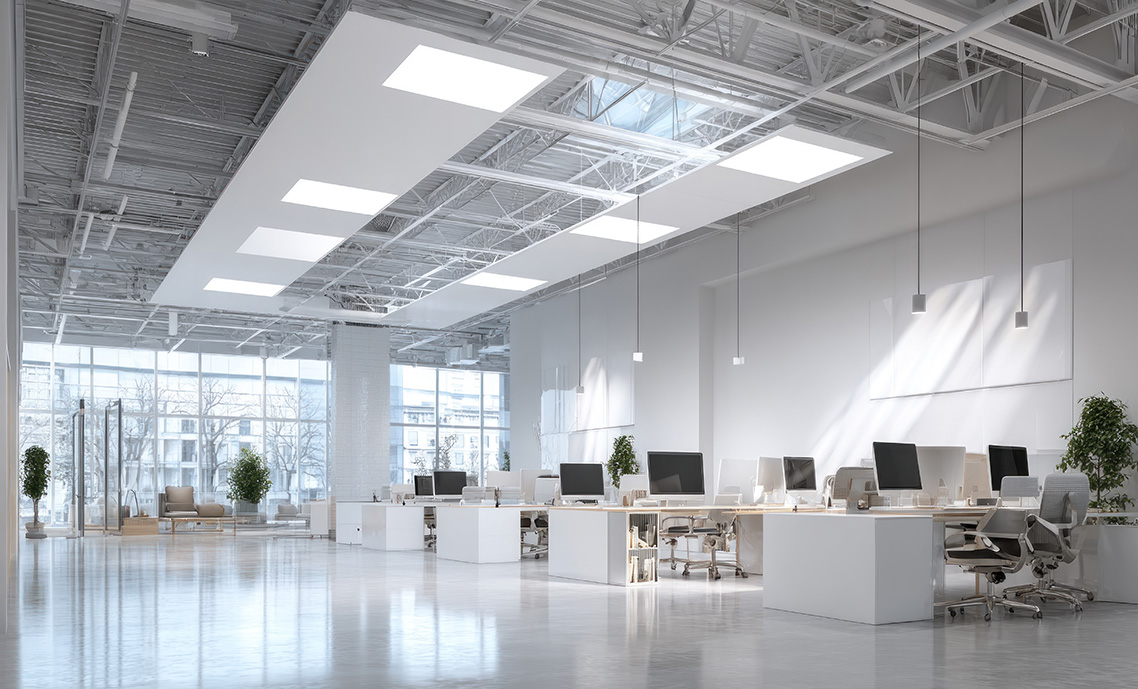
In bright, light‑colored, and open‑ceiling environments—offices, healthcare facilities, classrooms, retail spaces, and any setting where ceilings are part of the visual field—clean integration is essential. Cable support hardware must blend into the ceiling plane without slowing installation, compromising durability, or creating visual distractions. Prefinished white j hooks, bridle rings, and matching attachments eliminate on‑site painting, reduce labor costs, and deliver a uniform, low‑visibility finish that aligns with light ceiling surfaces and supports fast, low‑impact deployment.
To eliminate delays, reduce labor costs, and maintain visual alignment with light‑colored ceilings, follow these deployment principles when working with white cable‑support hardware.
1. Skip Painting and Install Hardware Immediately
Painting hardware to match white or bright ceilings adds unnecessary steps—masking, priming, drying, and touch‑ups all slow down the job.
Why It Matters:
Painting hardware to match white or bright ceilings adds unnecessary steps—masking, priming, drying, and touch‑ups all slow down the job. With prefinished white j hooks, bridle rings, and structural attachments, crews skip the paint cycle entirely. Hardware arrives installation‑ready, allowing immediate mounting and routing without coordination delays or cure times.
Best Practice:
Use prefinished white hardware to eliminate the paint cycle and move directly into installation without waiting for cure times or coordinating with painters.
Field Impact:
Faster starts, fewer delays, and uninterrupted workflow—crews stay productive without waiting for paint prep, drying, or touch‑ups.
Where This Applies:
Any project with white or bright ceilings where painted hardware would otherwise require prep, masking, or coordination with finishing trades.
Common Mistakes to Avoid:
Painting hardware in the field, mixing painted and prefinished components, or installing before paint has fully cured.
2. Eliminate Labor Costs Tied to Field Painting
Field painting introduces labor hours, materials, setup, cleanup, and cross‑trade scheduling.
Why It Matters:
Field painting introduces labor hours, materials, setup, cleanup, and cross‑trade scheduling. It often requires painters to return for touch‑ups or corrections. All‑white hardware eliminates these variables—no painters, no callbacks, no wasted time. The result is faster installs, fewer labor hours, and tighter control over project budgets.
Best Practice:
Use factory‑finished white hardware to remove painting labor, eliminate callbacks, and streamline installation timelines.
Field Impact:
Reduced labor costs, fewer trade conflicts, and predictable scheduling without painter‑related delays.
Where This Applies:
Projects with tight budgets, compressed timelines, or limited access for multiple trades working overhead.
Common Mistakes to Avoid:
Relying on field painting for color matching, assuming painters will be available for touch‑ups, or mixing painted and prefinished components.
3. Avoid VOCs and Maintain Indoor Air Compliance
Paint fumes, particulates, and airborne overspray can compromise indoor air quality, trigger alarms, or violate site protocols.
Why It Matters:
Paint fumes, particulates, and airborne overspray can compromise indoor air quality, trigger alarms, or violate site protocols—especially in healthcare, education, and mission‑critical environments. Prefinished white hardware avoids these risks entirely: no VOCs, no contamination, no compliance issues.
Best Practice:
Use prefinished hardware in any environment with strict indoor air quality requirements or VOC restrictions.
Field Impact:
No shutdowns, no alarm triggers, and no environmental compliance violations tied to painting activities.
Where This Applies:
Hospitals, clinics, schools, data centers, labs, and any occupied or sensitive indoor environment.
Common Mistakes to Avoid:
Painting overhead in occupied spaces, ignoring VOC restrictions, or assuming ventilation alone will mitigate fumes.
4. Prevent Overspray and Protect Adjacent Systems
Painting in the ceiling space risks overspray on cable jackets, fixtures, diffusers, ductwork, and ceiling tiles.
Why It Matters:
Painting in the ceiling space risks overspray on cable jackets, fixtures, diffusers, ductwork, and ceiling tiles. This creates cleanup work, damages materials, and triggers owner or architect complaints. Using factory‑finished white hardware eliminates overspray entirely and protects surrounding systems.
Best Practice:
Install factory‑finished hardware to avoid overspray risks and protect adjacent building systems from paint contamination.
Field Impact:
No cleanup, no damaged components, and no rework caused by accidental overspray in the ceiling space.
Where This Applies:
Any project with exposed mechanicals, finished ceilings, or sensitive equipment located near cable pathways.
Common Mistakes to Avoid:
Spraying hardware in place, painting near active systems, or assuming overspray won’t reach adjacent surfaces.
5. Blend Hardware Into Bright Ceilings for a Clean Visual Field
White j hooks, bridle rings, and attachments blend into bright ceilings, reducing visual distractions and supporting architectural intent.
Why It Matters:
White j hooks, bridle rings, and attachments blend into bright ceilings, reducing visual distractions and supporting architectural intent. This keeps cable pathways discreet and preserves the clean, uninterrupted look expected in offices, classrooms, healthcare facilities, and modern open‑ceiling designs.
Best Practice:
Use white hardware wherever visual continuity and ceiling integration are part of the design requirements.
Field Impact:
Cleaner sightlines, fewer aesthetic objections, and reduced punch‑list comments tied to visible hardware.
Where This Applies:
Bright ceilings in offices, classrooms, healthcare facilities, retail spaces, and open‑plenum environments.
Common Mistakes to Avoid:
Mixing white hardware with unpainted components, using mismatched shades, or installing visible hardware that breaks the ceiling plane.
6. Use a Factory‑Applied Finish That Won’t Flake or Fail
Factory‑applied coatings outperform field paint in adhesion, coverage, and wear resistance.
Why It Matters:
Factory‑applied coatings outperform field paint in adhesion, coverage, and wear resistance. No flaking, no chipping, no touch‑ups—even on threaded components and brackets. The finish holds up under vibration, handling, and environmental exposure, eliminating rework and punch‑list issues.
Best Practice:
Use factory‑finished hardware to ensure long‑term durability and eliminate finish failures caused by field painting.
Field Impact:
Reduced rework, fewer callbacks, and hardware that maintains its appearance throughout the project lifecycle.
Where This Applies:
Any installation subject to vibration, frequent handling, or environmental exposure where field paint would fail prematurely.
Common Mistakes to Avoid:
Painting threaded components, applying thin or uneven coats, or relying on field paint for long‑term durability.
7. Ensure Uniform Color and Finish Across All Components
Field painting often leads to mismatched shades, streaks, or overspray—especially when different crews paint at different times.
Why It Matters:
Field painting often leads to mismatched shades, streaks, or overspray—especially when different crews paint at different times. Prefinished white hardware ensures consistent color and finish across all support points, locking in a uniform appearance from end to end.
Best Practice:
Use prefinished hardware to maintain consistent appearance across the entire pathway, regardless of crew or schedule.
Field Impact:
A clean, uniform look that avoids aesthetic inconsistencies and reduces architect or owner objections.
Where This Applies:
Any project where visual consistency matters, including offices, education, healthcare, and retail environments.
Common Mistakes to Avoid:
Mixing field‑painted components with factory‑finished hardware or painting hardware at different times with inconsistent results.
8. Prevent Architect and Owner Punch‑List Issues
Mismatched or poorly painted hardware stands out immediately against bright ceilings.
Why It Matters:
Mismatched or poorly painted hardware stands out immediately against bright ceilings. Architects and owners routinely flag it, forcing crews to return for repainting or replacement. All‑white hardware prevents these issues upfront and keeps the project moving toward closeout.
Best Practice:
Install prefinished white hardware to avoid aesthetic punch‑list items tied to visible hardware inconsistencies.
Field Impact:
Fewer callbacks, faster closeout, and reduced rework tied to architect or owner aesthetic concerns.
Where This Applies:
Design‑sensitive spaces, owner‑occupied facilities, and any project with strict architectural review.
Common Mistakes to Avoid:
Installing hardware that doesn’t match the ceiling plane, relying on field paint for final appearance, or ignoring aesthetic requirements.
9. Use White Hardware in High‑Visibility, Design‑Driven Spaces
White hardware is recommended for AV, data, low‑voltage, and category‑cable support in any space where the ceiling is part of the visual field.
Why It Matters:
White hardware is recommended for AV, data, low‑voltage, and category‑cable support in any space where the ceiling is part of the visual field. Offices, healthcare facilities, classrooms, retail spaces, and open‑plenum environments all benefit from hardware that blends into the ceiling plane and maintains a clean, intentional aesthetic.
Best Practice:
Use white hardware in any environment where ceiling visibility affects design intent or occupant experience.
Field Impact:
Cleaner visual integration, fewer design objections, and improved acceptance from architects and owners.
Where This Applies:
AV spaces, classrooms, offices, healthcare facilities, retail, and open‑ceiling environments with bright ceiling planes.
Common Mistakes to Avoid:
Using unpainted or mismatched hardware in visible areas or ignoring architectural color requirements.
10. Use All‑White Hardware Wherever Supports Meet Bright Ceilings
Wherever cable pathways intersect with white or bright‑colored ceilings, use all‑white j hooks, bridle rings, and matching attachments.
Why It Matters:
Wherever cable pathways intersect with white or bright‑colored ceilings, use all‑white j hooks, bridle rings, and matching attachments. This avoids painting delays, preserves finish integrity, and ensures visual alignment with architectural surfaces from the first support point to the last.
Best Practice:
Standardize on all‑white hardware for any support point visible against bright ceiling planes to maintain consistency and eliminate the need for field painting.
Field Impact:
A continuous, uniform appearance across the entire pathway with no mismatched components, no repainting, and no aesthetic callbacks during closeout.
Where This Applies:
Any space with bright ceilings where cable support hardware is visible—offices, classrooms, healthcare facilities, retail, and open‑plenum environments.
Common Mistakes to Avoid:
Mixing white hardware with unpainted or mismatched components, relying on field painting for color matching, or using non‑white supports in visible ceiling areas.
This isn’t just a finish—it’s a field-ready strategy for speed, discretion, and zero visual disruption, fully realized in the Winnie Industries WhiteOUT Series.
This guide is intended for informational and reference purposes only. It does not supersede local codes, manufacturer specifications, or the judgment of the Authority Having Jurisdiction (AHJ). Installation practices must always be verified against current NEC, ANSI/TIA standards, and site-specific requirements. Winnie Industries products must be installed and used in accordance with official instruction sheets or designated training. Products should never be applied beyond their intended purpose or in a manner that exceeds specified load ratings. Proper fastening is critical to system integrity and functionality, requiring secure attachment to structurally sound components capable of supporting imposed loads. All installations must comply with governing codes, regulations, and job site requirements. Always consult your AHJ for specific regulatory guidance.