

Safety Starts at Your Feet
Effective housekeeping is a core safety requirement across all active worksites. Clear walk paths, organized material staging, and disciplined cable routing reduce trip hazards, prevent equipment damage, and keep crews moving efficiently. Strong housekeeping practices also support OSHA compliance, improve inspection outcomes, and protect both workers and materials throughout every phase of the project.
To maintain a safe, efficient, and inspection‑ready worksite, follow these essential housekeeping and trip‑hazard prevention practices.
1. Jobsite Housekeeping and Trip Hazard Prevention
Cluttered walk paths, loose materials, and unmanaged cables create daily hazards that slow crews down and increase the risk of preventable injuries.
Best Practice:
Maintain clear walkways by removing debris, organizing tools, and elevating or securing any temporary cable runs. Store long materials like conduit, ladder tray, and strut against walls or racks—never across foot-traffic zones.
Why It Matters:
Most jobsite injuries stem from simple trip hazards. Poor housekeeping leads to falls, damaged equipment, blocked access routes, and failed safety audits.
Pro Tip:
Build a “clean-as-you-go” habit. End each task with a quick reset: coil cables, stage tools properly, and clear the floor before moving on. Small resets prevent big incidents.
2. Control Temporary Cable Routing
Loose or improvised cable runs across the floor create unpredictable hazards, especially when multiple trades are moving through the space.
Best Practice:
Keep temporary cable runs elevated whenever possible using j hooks, safety hooks, or overhead supports. If a floor run is unavoidable, secure it with rated cable guards or ramps.
Why It Matters:
Unsecured cables are one of the leading causes of trip injuries and equipment damage during active construction. Even a single loose loop can catch a boot, cart, or ladder.
Pro Tip:
Treat every temporary run like a permanent one—planned, supported, and clearly marked.
3. Manage Tools and Materials Responsibly
Tools left on the ground, open ladders, and scattered hardware create unnecessary hazards and slow down every trade on site.
Best Practice:
Return tools to pouches, carts, or gang boxes when not in use. Store long materials—conduit, strut, ladder tray—against walls or in designated racks.
Why It Matters:
Poor staging leads to trip hazards, damaged materials, and blocked access paths. Good housekeeping keeps the job moving and reduces rework.
Pro Tip:
Use a “tool drop zone” at each work area so nothing ends up in walk paths.
4. Maintain Lighting and Visibility
Dim corridors, riser rooms, and mechanical spaces hide hazards that would otherwise be obvious.
Best Practice:
Ensure temporary lighting is adequate in all active work areas. Replace burned-out bulbs or report lighting failures immediately.
Why It Matters:
Poor visibility increases the risk of trips, falls, and accidental contact with materials or equipment.
Pro Tip:
Keep a compact work light in your pouch—never rely solely on site lighting.
5. Keep Work Areas Dry and Free of Slippery Surfaces
Wet floors, spilled lubricants, and adhesive drips turn routine movement into a safety risk.
Best Practice:
Clean spills immediately and use absorbent pads when needed. Mark wet areas with cones or signage until fully dry.
Why It Matters:
Slip injuries are preventable but common, especially in mechanical rooms and near core drilling operations.
Pro Tip:
Assign one person per crew to monitor and address wet areas during high-risk tasks.
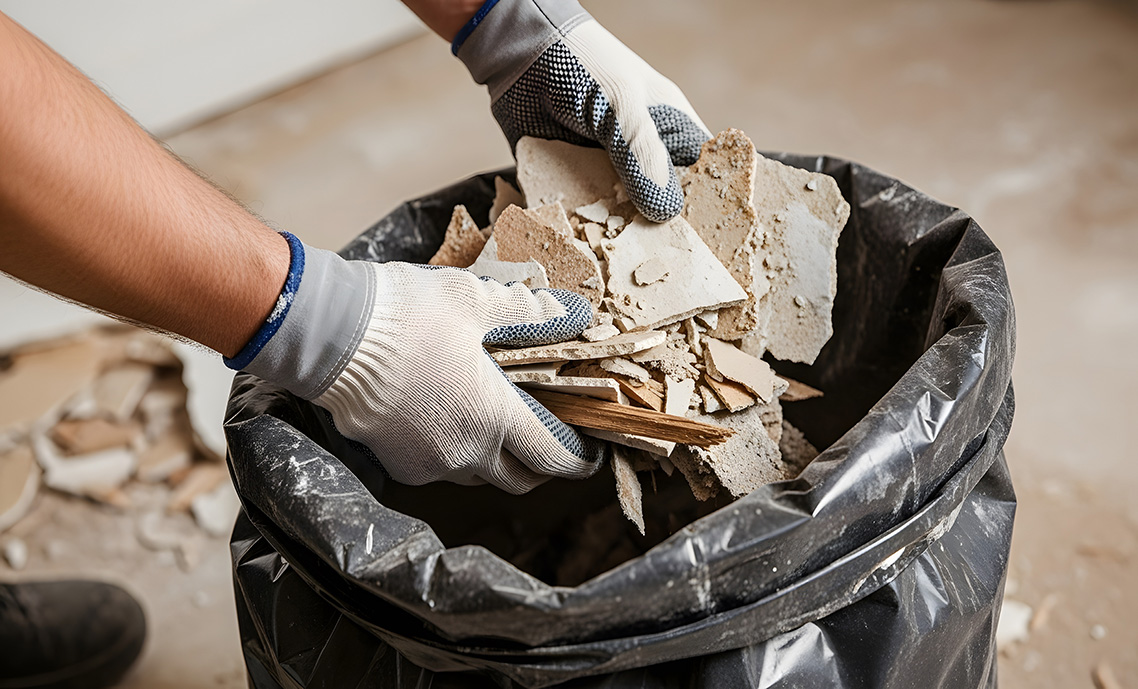
6. Dispose of Waste Frequently
Accumulated debris creates hidden hazards and slows down every trade working in the area.
Best Practice:
Use designated bins for scrap wire, conduit, packaging, and debris. Perform quick cleanups throughout the day—not just at the end.
Why It Matters:
Clean work zones reduce trip hazards, improve workflow, and demonstrate professionalism to GCs and inspectors.
Pro Tip:
Make “end-of-task cleanup” a standard step before moving to the next location.
7. Protect Openings, Trenches, and Floor Penetrations
Uncovered openings are among the most dangerous and overlooked hazards on a jobsite.
Best Practice:
Cover or barricade floor openings immediately and mark them with cones, tape, or signage.
Why It Matters:
Even small penetrations can cause serious injuries if stepped into or rolled over with carts or lifts.
Pro Tip:
Treat every opening—no matter how small—as a fall hazard until it’s properly covered.
8. Maintain Ladder and Lift Staging Discipline
Unattended ladders and poorly parked lifts create unnecessary obstacles and hazards in tight work areas.
Best Practice:
Close ladders when not in use and store them out of walk paths. Park scissor lifts with platforms lowered and away from high-traffic zones.
Why It Matters:
Improperly staged equipment causes collisions, trip hazards, and blocked access routes.
Pro Tip:
Mark active overhead work areas with cones or tape to keep foot traffic clear.
By prioritizing housekeeping and trip‑hazard prevention, every worksite becomes safer, more organized, and better prepared for daily operations and inspections.
This guide is intended for informational and reference purposes only. It does not supersede local codes, manufacturer specifications, or the judgment of the Authority Having Jurisdiction (AHJ). Installation practices must always be verified against current NEC, ANSI/TIA standards, and site-specific requirements. Winnie Industries products must be installed and used in accordance with official instruction sheets or designated training. Products should never be applied beyond their intended purpose or in a manner that exceeds specified load ratings. Proper fastening is critical to system integrity and functionality, requiring secure attachment to structurally sound components capable of supporting imposed loads. All installations must comply with governing codes, regulations, and job site requirements. Always consult your AHJ for specific regulatory guidance.