

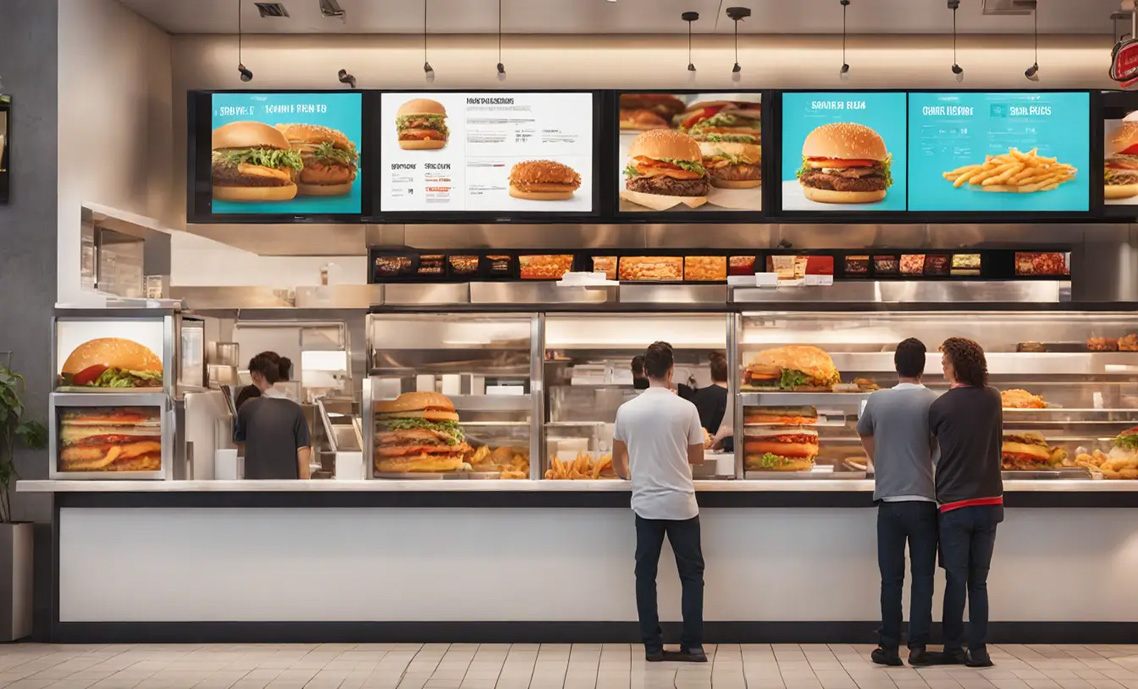
Have It Routed Your Way
Best practices for magnetic cable management focus on non-invasive routing methods suited to restaurants, fast food outlets, cafés, coffee shops, bakeries, and food trucks. These environments demand flexible cable paths that preserve surface integrity, withstand cleaning cycles, and adapt to seasonal layouts. Each statement addresses a specific deployment scenario—such as routing near prep stations, POS terminals, beverage dispensers, or digital signage—and reflects why magnetic mounts are often preferred: they offer strong adhesion, repositionable placement, and surface-safe routing without adhesives or penetrations.
These guidelines provide practical recommendations to support effective cable routing in restaurants, cafés, food trucks, and other foodservice environments.
Zone and Sanitation Requirements
1. Keep cables and hoses out of food-contact and splash zones
What It Is
Exposed routing in food-contact or splash zones poses sanitation risks and violates NSF/ANSI and FDA standards. These zones require smooth, cleanable surfaces with full washdown compatibility. Cables, hoses, and tubing must be enclosed, elevated, or routed outside of contamination zones to prevent microbial buildup and ensure compliance.
Why It Matters
Unprotected routing can trap grease, moisture, and food particles—creating harborage points for bacteria and interfering with cleaning protocols. This can trigger AHJ violations, fail health inspections, and compromise food safety. NSF/ANSI 2, 51, and 169 standards prohibit exposed cables in splash zones unless fully enclosed and rated for washdown. FDA Food Code requires all surfaces in food zones to be non-absorbent, corrosion-resistant, and easily cleanable—conditions that exposed routing fails to meet.
Best Practices
Use magnetic or elevated routing methods to keep cables, hoses, and tubing out of food-contact zones. Deploy surface-safe mounts on metal panels, equipment frames, or overhead structures—avoiding adhesives or penetrations that could degrade over time. Scope routing outside of splash zones and ensure all components are cleanable, corrosion-resistant, and compatible with washdown procedures.
- Elevate routing above prep surfaces – Use overhead mounts or vertical standoffs to keep cables clear of contamination zones.
- Route behind splash guards or barriers – Position cables outside of direct spray paths and food-contact surfaces.
- Use magnetic mounts – Preserve surface finish and allow fast repositioning without adhesives or drilling.
- Enclose cables in rated conduit or tubing – Ensure all routing in splash zones is fully enclosed and NSF-compliant.
- Avoid floor-level routing near drains – Prevent exposure to standing water, cleaning chemicals, and microbial risk zones.
Pro Tip
Use magnetic mounts instead of adhesive pads or screw-based anchors. Magnets preserve surface finish, allow fast repositioning, and eliminate penetrations that can violate health code.
2. Restrict mounts to non-contact food zones
What It Is
Food-contact zones include any surface or area where food is prepared, handled, or stored. These zones require strict sanitation, cleanability, and material safety. No mount—magnetic, adhesive, or screw-based—is considered food-safe in direct contact zones.
Why It Matters
NSF/ANSI standards and local health codes prohibit mounts in food-contact zones unless fully documented and approved. Even smooth mounts can trap debris, interfere with cleaning, or degrade over time—triggering violations and compromising food safety.
Best Practices
Use mounts only in adjacent, non-contact zones:
- Install outside splash, prep, and cutting areas
- Ensure mounts do not block cleaning tools or sanitization cycles
- Use only smooth, non-porous finishes that resist bacterial buildup
Restrictions
Do not place mounts in food-contact zones, splash zones, or washdown areas. Avoid routing near prep surfaces, shared foodservice equipment, or cutting stations—regardless of mount type or finish.
Pro Tip
No mount is food-safe by default. Compliance depends on placement, not product claims. Always verify zone classification before routing.
3. Verify fire, electrical, and sanitation compliance
What It Is
Magnetic mounts are non-penetrating and surface-safe, but code compliance depends on voltage class, routing location, and environmental risk. NEC, UL, and FDA standards apply differently above ceilings, behind signage, and under prep tables.
Why It Matters
Improper routing can violate NEC Articles 300.21 and 725, trigger AHJ rejection, or fail health inspections. Fire-rated assemblies require UL-listed firestop. Prep zones demand cleanable, corrosion-resistant surfaces. Signage zones may allow limited energy routing—but only with UL-listed components and documented strain relief.
Best Practices
Use magnetic mounts only in zones where penetrations, conduit, or adhesives are not required:
- Above ceiling (non-plenum) – Acceptable for limited energy signage with documented strain relief.
- Signage zones – Acceptable for UL-listed limited energy circuits (POS, menu boards). Document routing logic and strain relief.
- Under prep tables – Use only for removable, limited energy routing. Avoid adhesives, exposed cables, and uncleanable surfaces.
Restrictions
Do not route high-voltage lines without conduit or UL-listed raceway. Do not cross fire-rated assemblies without UL-listed firestop. Do not deploy unlisted cable managers in food-contact or splash zones.
Documentation Notes
Reference NEC Articles 300.21 and 725. Include UL listing, voltage class, and routing logic in submittals. For food zones, document surface compatibility and sanitation compliance.
Approved Routing Methods
1. Use magnetic mounts for non-invasive routing
What It Is
Magnetic cable management refers to the use of magnet-based mounts, clips, or holders to route and secure cables, hoses, and tubing along metal surfaces—without drilling, adhesives, or permanent fasteners. This method supports modular routing, preserves surface integrity, and aligns with NSF and AHJ expectations for non-invasive installations.
Why It Matters
Magnetic mounts allow fast, reversible routing—ideal for seasonal reconfiguration, equipment upgrades, and service access. They eliminate the need for adhesives or penetrations that could violate health code or damage finishes. Magnetic mounts maintain grip through oil, grease, dirt, and temperature extremes (–40°F to 212°F), making them ideal for foodservice environments where adhesives may fail. They offer non-penetrating retention without degrading over time and do not interfere with Ethernet, Wi-Fi, or limited energy signal integrity—supporting clean, modular routing for POS, IoT, and signage systems.
Best Practices
Deploy magnetic cable management in restaurants, fast food outlets, cafés, coffee shops, delis, bakeries, food trucks, and breweries—chosen for its speed, flexibility, and surface-safe retention over adhesives and anchors—across:
- Refrigeration and prep equipment: Under-counter coolers, reach-in refrigerators, prep tables, and warming stations.
- Beverage dispensers and self-serve stations: Soda fountains, coffee brewers, tea dispensers, and milkshake machines.
- POS terminals and payment kiosks: Touchscreens, card readers, receipt printers, and customer-facing displays.
- Digital signage and illuminated menu boards: Wall-mounted, pendant, and freestanding displays.
- Magnetic menu boards and promotional signage: Changeable displays for daily specials, seasonal items, and impulse promotions.
- Countertop and back-bar equipment: Blenders, mixers, toasters, and panini presses.
- Bakery and deli display cases: Cable routing for lighting, temperature sensors, and digital price tags.
- Food truck and mobile cart setups: Temporary routing for power and data in mobile environments.
- IoT and smart equipment: Modular routing for sensors, diagnostics, and cloud-connected dispensers.
- POS system consolidation: Concealed routing for handhelds, scanners, and multi-function terminals.
- Location-based services (LBS): Adaptive routing based on traffic flow and layout optimization.
- Event-based digital signage: Temporary AV routing for freestanding or suspended displays.
Pro Tip
Use magnetic mounts instead of adhesive pads or screw-based anchors—especially on metal surfaces. Magnets preserve finish, allow fast repositioning, and eliminate penetrations that can violate health code.
2. Use magnetic clamps only for flexible hoses and tubing
What It Is
Magnetic clamps can support lightweight hoses and tubing in temporary or low-risk environments. These include drain, condensate, and overflow lines—never pressurized or sanitary-grade assemblies.
Why It Matters
Improper use near heat, pressure, or food-contact surfaces can cause failure, contamination, or code violations. Hose type, routing zone, and mounting method must align with sanitation and mechanical stress requirements.
Best Practices
Approved uses for magnetic hose management include:
- Drain lines under beverage dispensers or prep sinks
- Condensate tubing from refrigeration units
- Low-pressure water supply hoses for brewers or soda fountains
- Overflow or vent tubing in seasonal or mobile setups
Restrictions
Do not use magnetic clamps for pressurized fluid lines, gas delivery, sanitary-grade food transfer hoses, routing near heat sources, or any tubing in food-contact or splash zones.
Documentation Notes
Include mounting diagrams and pull-force ratings in submittals only if visible or inspector-accessible. Routine installs in non-critical zones do not require documentation unless part of a larger compliance package.
Pro Tip
If the hose carries food, pressure, or gas—it’s not magnetic-friendly. Scope tubing type and zone before deployment.
3. Use magnetic J Hooks and bridle rings for limited energy cable
What It Is
Magnetic J Hook and bridle ring supports provide non-invasive suspension for limited energy cable runs. These accessories attach to ferromagnetic surfaces and allow repositioning without adhesives, drilling, or permanent fasteners.
Why It Matters
Cable routing in foodservice environments must remain adaptable. Magnetic supports simplify layout changes, reduce surface damage, and eliminate adhesive cleanup or fastener removal. Repositioning can be done instantly without disrupting workflow.
Best Practices
Select magnetic J Hooks or bridle rings based on cable type, load rating, and mounting orientation. Confirm magnet strength, surface compatibility, and spacing intervals to prevent sagging and preserve bend radius. Use vertical or overhead placement to minimize obstruction and support repositioning.
Restrictions
Avoid mounting across fire-rated assemblies or food-contact zones. Confirm UL compliance and load rating for any suspended components.
Documentation Notes
Include magnet type, pull rating, mounting orientation, and supported cable types in deployment plans. Note spacing intervals and any repositioning logic required for inspection or maintenance.
4. Secure routed cables with appropriate straps or ties
What It Is
Straps and ties are secondary retention accessories used to secure cables after routing. Selection depends on whether the install is adjustable, serviceable, or permanent—and whether the zone is visible, high-traffic, or sanitation-critical. These accessories are typically paired with cable managers, anchors, or mounting hardware to maintain routing discipline and prevent jacket damage.
Why It Matters
Improper fastening can damage cable jackets, interfere with service, or violate sanitation protocols. Hook-and-loop protects jackets, supports repositioning, and maintains clean routing. Cable ties require trimming and must be sanitation-rated in food zones and plenum-rated in ceiling spaces.
Best Practices
Use hook-and-loop straps for:
- Clean retention in visible zones
- Serviceable installs where repositioning may be required
- POS stations, beverage zones, and signage areas
Use cable ties for:
- Fixed installs behind panels or inside enclosures
- Strain relief near connectors or junctions
- Deployments using cable tie managers or spec-driven mounts
Restrictions
Avoid over-tightening, non-rated ties in food zones, exposed tie tails, and non-plenum-rated ties in ceiling plenums.
Documentation Notes
Document tie type and routing logic in submittals only if visible, inspector-facing, or deployed in sanitation-critical or air-handling zones.
Pro Tip
Hook-and-loop is the preferred retention method in visible, serviceable, or sanitation-sensitive zones. It protects jackets, supports repositioning, and maintains clean routing. Cable ties are fixed—use only where service isn’t expected or tie managers are specified.
Cable, Hose, and Component Selection
1. Use only approved cable types for foodservice environments
What It Is
Cable selection must align with voltage class, routing method, and environmental conditions. Magnetic holders are suitable for signal-grade cables and UL-listed appliance cords—only in non-critical zones. Extension cords, power cables, and jacketed assemblies must be scoped by zone, strain relief, and sanitation compatibility.
Why It Matters
Improper cable selection can violate NEC, UL, and sanitation codes—especially in visible or inspector-facing zones. High-voltage AC lines and life-safety systems require conduit, containment, and firestop documentation. Unlisted cords or exposed conductors can trigger AHJ rejection and compromise safety.
Best Practices
Approved cable types for magnetic routing include:
-
-
- Signal-grade cables – Ethernet, USB, HDMI, RS-232, Modbus, CANbus, relay wiring
- Limited energy DC power – 5V, 12V, 24V DC lines with documented strain relief
- Appliance-grade cords – UL-listed power cables for foodservice equipment, routed outside splash zones
- Extension cords – Only in non-critical zones with slack, strain relief, and sanitation-compatible routing; temporary use only
- Foodservice-compatible jackets – PUR, IP-rated variants for washdown or exposed environments
-
Restrictions
Do not route:
-
-
- High-voltage AC power (120V, 208V, 480V) without conduit or UL-listed containment
- Life-safety systems (fire alarms, emergency lighting)
- Unjacketed or exposed conductors
- Extension cords in food-contact or splash zones
-
Documentation Notes
Only required for visible cable runs in regulated zones—like above ceilings, near food-contact areas, or inspector-facing surfaces. Include cable type, voltage class, UL listing, and routing method. Skip documentation for routine installs in non-critical zones, like magnetic mounts on prep tables.
Pro Tip
If the cable wasn’t designed for foodservice, it doesn’t belong near food. Scope jacket type, voltage class, and routing zone before deployment.
2. Select magnet types for the operating environment
What It Is
Magnet performance depends on coating type, cup, surface preparation, and exposure to environmental stressors. Selection must align with moisture, grease, chemical exposure, and sanitation requirements.
Why It Matters
Uncoated magnets can corrode, delaminate, or lose grip in wet or grease-prone zones. Improper selection can compromise sanitation, trigger AHJ violations, or cause mounting failure. Coating type determines long-term retention and cleanability.
Best Practices
Match magnet type to environmental conditions:
-
-
- Ceramic – Moisture-resistant and suitable for dry or lightly humid zones
- Nickel-coated neodymium – Moderate protection for low-splash, non-food zones
- Epoxy-coated neodymium – Required for splash zones, chemical exposure, or sanitation-critical areas
-
Restrictions
Do not use uncoated neodymium in wet, grease-prone, or washdown zones. Avoid placement near steam, fryers, dish stations, or food-contact surfaces.
Pro Tip
Thicker metal means stronger grip. Confirm panel thickness and finish before trusting a magnet—especially on coated, carbon steel, or composite surfaces.
3. Confirm surface compatibility before mounting
What It Is
Magnetic performance depends on surface material, finish, and thickness. Grip strength varies by alloy type, coating, and environmental exposure. Compatibility must be verified before deployment—especially in sanitation-critical or vibration-prone zones.
Why It Matters
Magnets require ferromagnetic surfaces to maintain grip. Surface finish affects adhesion, corrosion resistance, and cleanability. Thin, porous, or non-magnetic surfaces can cause mounting failure, sanitation violations, or degraded performance under moisture and vibration.
Best Practices
Use magnetic mounts only on compatible surfaces:
-
-
- Ferritic stainless steel – 430, 409 series; suitable for foodservice panels and equipment backs
- Martensitic stainless steel – 410, 420 series; acceptable with surface prep
- Carbon steel – Uncoated or powder-coated; confirm thickness ≥18 gauge
- Painted or powder-coated steel – Test adhesion as coating impacts adhesion
-
Restrictions
Do not use magnetic mounts on:
-
-
- Austenitic stainless steel – 304, 316 series; non-magnetic and prone to corrosion under magnets
- Aluminum, plastic, wood – Use adhesive or mechanical fasteners if permitted by zone and sanitation standards
- Porous or textured surfaces – Avoid mounting on unfinished concrete, rusted panels, or degraded coatings
-
Pro Tip
Thicker metal means stronger grip. Confirm panel thickness and finish before trusting a magnet—especially on coated, carbon steel, or composite surfaces.
Installation Performance and Reliability
1. Ensure retention through cleaning and vibration cycles
What It Is
High-traffic, vibration-prone, and sanitation-critical zones require enhanced retention and inspection protocols. Mounting systems must withstand thermal expansion, cleaning cycles, and incidental contact without dislodging or degrading.
Why It Matters
Vibration, thermal expansion, and cleaning cycles can dislodge mounts or damage cables if retention is insufficient. Adhesive mounts often fail under moisture, heat, or repeated cleaning—making magnetic and mechanical retention the preferred method in foodservice environments.
Best Practices
Use retention methods designed for dynamic environments:
-
-
- Magnets with ≥10 lb pull force – Ensure grip under vibration and cleaning stress
- Clips with locking tabs or retention features – Prevent cable slippage or disconnection
- Slack and strain relief – Absorb movement, thermal expansion, and incidental contact
-
Restrictions
Do not use low-strength magnets, unsecured clips, or adhesive mounts in vibration-prone or sanitation-critical areas. Avoid any mount that degrades under moisture, heat, or repeated cleaning.
Documentation Notes
Include magnet specs, retention method, and inspection frequency in commissioning reports—especially for installations near prep zones, dish stations, or shared equipment.
Pro Tip
If it peels, it fails. Adhesive mounts may work in dry signage zones—but magnetic retention is preferred anywhere cables move, flex, or get cleaned.
2. Deploy magnetic components for cable, hose, and tube routing
What It Is
A field-ready set of magnetic components engineered for non-invasive cable, tube, and hose routing. Each item mounts directly to ferrous surfaces without adhesives, screws, or drilling—supporting fast, reversible installations in foodservice, retail, and event-based environments.
Why It Matters
These components eliminate penetrations that can violate health codes or damage finishes. Magnetic retention holds through grease, vibration, and temperature swings—ideal where adhesives fail. Each item is selected for its routing function, mounting logic, and compatibility with NSF and AHJ expectations.
Best Practices
Deploy magnetic cable management in kitchens, beverage stations, POS zones, and mobile setups—where speed, flexibility, and surface-safe retention are critical:
-
-
- Mounting Magnets – Provide a secure, non-invasive method for attaching objects to metal surfaces.
- Magnetic Hook & Loop Cable Manager – Cradles hook & loop wraps for bundling cables.
- Magnetic Cable Tie Manager – Anchors cable ties up to 1/2″ wide.
- Magnetic Cable Holder with Locking Gate – Secures cables with a snap-close gate on a magnetic base.
-
Documentation and Inspector Expectations
1. Provide complete documentation for inspector review
What It Is
Documentation ensures that routing methods, cable types, and mounting hardware comply with NEC, UL, and sanitation requirements. Inspectors rely on clear submittals to verify voltage class, routing zones, and component ratings—especially in foodservice environments where sanitation and safety standards are strict.
Why It Matters
Incomplete or unclear documentation can delay approvals, trigger rework, or result in failed inspections. AHJs require visibility into routing logic, strain relief, and component selection—particularly for limited energy circuits, signage systems, and equipment near food zones.
Best Practices
Include the following in inspector-facing documentation:
- Voltage class and cable type – Identify limited energy circuits, appliance cords, or signal-grade wiring.
- Mounting method – Specify magnetic, mechanical, or enclosed routing.
- Routing zones – Identify non-contact, splash, or above-ceiling areas.
- Strain relief – Document slack, tie points, and retention methods.
- UL listings – Provide listing information for cable, mounts, and accessories.
Restrictions
Do not omit routing diagrams, voltage classifications, or UL listing details when required by the AHJ. Avoid ambiguous descriptions or undocumented deviations from approved plans.
Documentation Notes
Inspector-facing zones require clear diagrams and component listings. Non-critical zones—such as under-counter routing or concealed cable paths—may not require documentation unless part of a larger compliance package.
Pro Tip
A simple one-page routing diagram with voltage classification, routing zones, and mounting methods can prevent most inspection conflicts and rework.
Documentation and Inspector Expectations
1. Provide complete documentation for inspector review
What It Is
Documentation ensures that routing methods, cable types, and mounting hardware comply with NEC, UL, and sanitation requirements. Inspectors rely on clear submittals to verify voltage class, routing zones, and component ratings—especially in foodservice environments where sanitation and safety standards are strict.
Why It Matters
Incomplete or unclear documentation can delay approvals, trigger rework, or result in failed inspections. AHJs require visibility into routing logic, strain relief, and component selection—particularly for limited energy circuits, signage systems, and equipment near food zones.
Best Practices
Include the following in inspector-facing documentation:
- Voltage class and cable type – Identify limited energy circuits, appliance cords, or signal-grade wiring.
- Mounting method – Specify magnetic, mechanical, or enclosed routing.
- Routing zones – Identify non-contact, splash, or above-ceiling areas.
- Strain relief – Document slack, tie points, and retention methods.
- UL listings – Provide listing information for cable, mounts, and accessories.
Restrictions
Do not omit routing diagrams, voltage classifications, or UL listing details when required by the AHJ. Avoid ambiguous descriptions or undocumented deviations from approved plans.
Documentation Notes
Inspector-facing zones require clear diagrams and component listings. Non-critical zones—such as under-counter routing or concealed cable paths—may not require documentation unless part of a larger compliance package.
Pro Tip
A simple one-page routing diagram with voltage classification, routing zones, and mounting methods can prevent most inspection conflicts and rework.
Together, these best practices offer a flexible framework for restaurant cable management—supporting clean installations, layout changes, and surface-safe routing across cafés, bakeries, food trucks, and other foodservice environments.
This guide is intended for informational and reference purposes only. It does not supersede local codes, manufacturer specifications, or the judgment of the Authority Having Jurisdiction (AHJ). Installation practices must always be verified against current NEC, ANSI/TIA standards, and site-specific requirements. Winnie Industries products must be installed and used in accordance with official instruction sheets or designated training. Products should never be applied beyond their intended purpose or in a manner that exceeds specified load ratings. Proper fastening is critical to system integrity and functionality, requiring secure attachment to structurally sound components capable of supporting imposed loads. All installations must comply with governing codes, regulations, and job site requirements. Always consult your AHJ for specific regulatory guidance.